
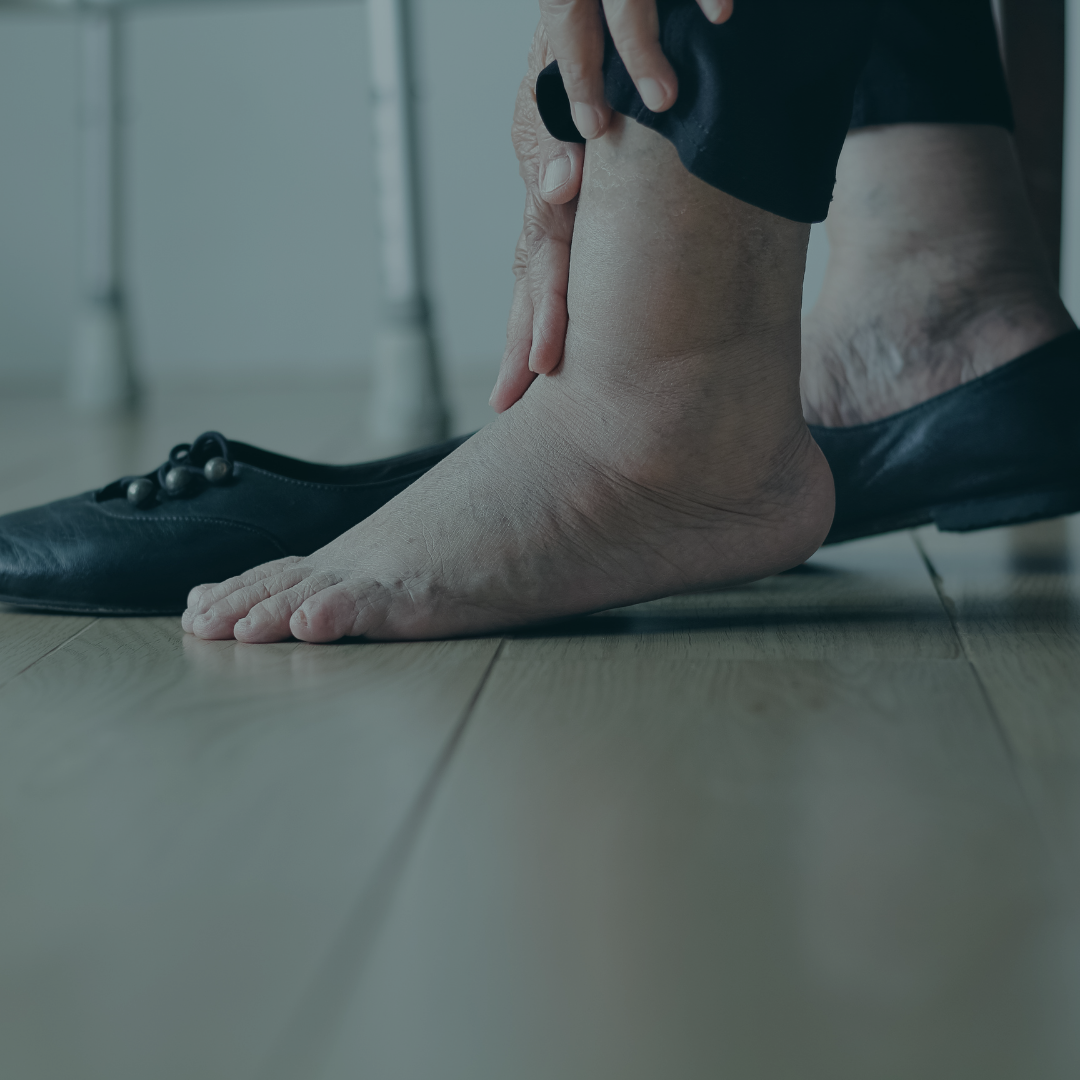
Swollen Bursa: Signs and Exploring Non-Surgical Options
A swollen bursa — often referred to as bursitis — can turn even simple movements into painful challenges. For residents of Glen Allen, VA, this condition is particularly disruptive for those who enjoy staying active, whether it’s walking through Echo Lake Park or keeping up with family routines.
The good news is that many cases of bursitis can be managed with non-surgical treatments. At Rejuvinix, we specialize in helping patients relieve pain, restore mobility, and avoid unnecessary surgery.
Here’s what you need to know about recognizing the signs of a swollen bursa and the treatment options available.
What Is a Swollen Bursa?
- The bursa is a small, fluid-filled sac that cushions the joints.
- Bursitis occurs when the bursa becomes inflamed, leading to swelling, pain, and stiffness.
- Commonly affected areas include the knee, hip, shoulder, and elbow.
Causes of Bursa Swelling
Bursitis can develop due to a variety of factors. The most common causes include:
- Repetitive movements (e.g., kneeling, lifting, or overhead activities).
- Joint overuse from sports or physical labor.
- Underlying conditions like rheumatoid arthritis or gout.
- Injury or trauma that irritates the joint.
- Infections that spread to the bursa.
Signs and Symptoms of a Swollen Bursa
If you’re experiencing any of the following symptoms, it may be time to explore swollen bursa treatment in Glen Allen, VA:
- Localized pain and tenderness around the joint.
- Swelling and redness near the affected area.
- Stiffness and reduced mobility in the joint.
- Pain that worsens with activity or pressure.
- Warmth around the joint, suggesting inflammation.
Non-Surgical Treatment Options at Rejuvinix
At Rejuvinix, we focus on non-invasive care to help patients manage bursitis effectively. Some of the most effective treatments include:
1. Rest and Activity Modification
- Reducing repetitive movements helps the bursa heal.
- Temporary use of assistive devices (braces or supports) may relieve stress.
2. Ice and Heat Therapy
- Applying ice packs reduces swelling in the early stages.
- Heat therapy may be recommended later to relax stiff muscles.
3. Medications
- Over-the-counter anti-inflammatory medications can ease discomfort.
- In some cases, prescription options may be provided.
4. Physical Therapy
- Strengthening nearby muscles reduces joint stress.
- Gentle stretches improve flexibility and range of motion.
5. Injections
- Visco-6 or corticosteroid injections may be used to reduce inflammation.
- These treatments are minimally invasive and often provide rapid relief.
6. Regenerative Medicine Options
- For patients with recurring bursitis, regenerative therapies may promote long-term healing by addressing underlying joint issues.
When to Seek Medical Attention
You should consult a specialist if you experience:
- Severe pain that interferes with daily activities.
- Persistent swelling that doesn’t improve with rest.
- Signs of infection such as fever, warmth, or drainage.
Early evaluation at Rejuvinix ensures you receive the right treatment before the condition worsens.
Why Glen Allen Residents Trust Rejuvinix
Residents of Glen Allen and nearby neighborhoods like Short Pump and Henrico turn to Rejuvinix for:
- Non-surgical joint pain relief tailored to individual needs.
- Convenient access to advanced therapies without traveling far.
- Compassionate care for conditions ranging from bursitis to osteoarthritis.
Call-to-Action: Get Relief from Bursitis Today
If you’re searching for effective swollen bursa treatment in Glen Allen, VA, Rejuvinix can help.
👉 Schedule your consultation today and take the first step toward pain-free movement.
We proudly serve Glen Allen and surrounding communities with cutting-edge, non-surgical joint care solutions.
References
- Mayo Clinic – Bursitis: Symptoms and Causes
- Cleveland Clinic – Bursitis: Causes and Treatment